
Burma, also known as Myanmar, is one of the largest countries in Southeast Asia covering around 676,500 square kilometres—an area larger than continental France.
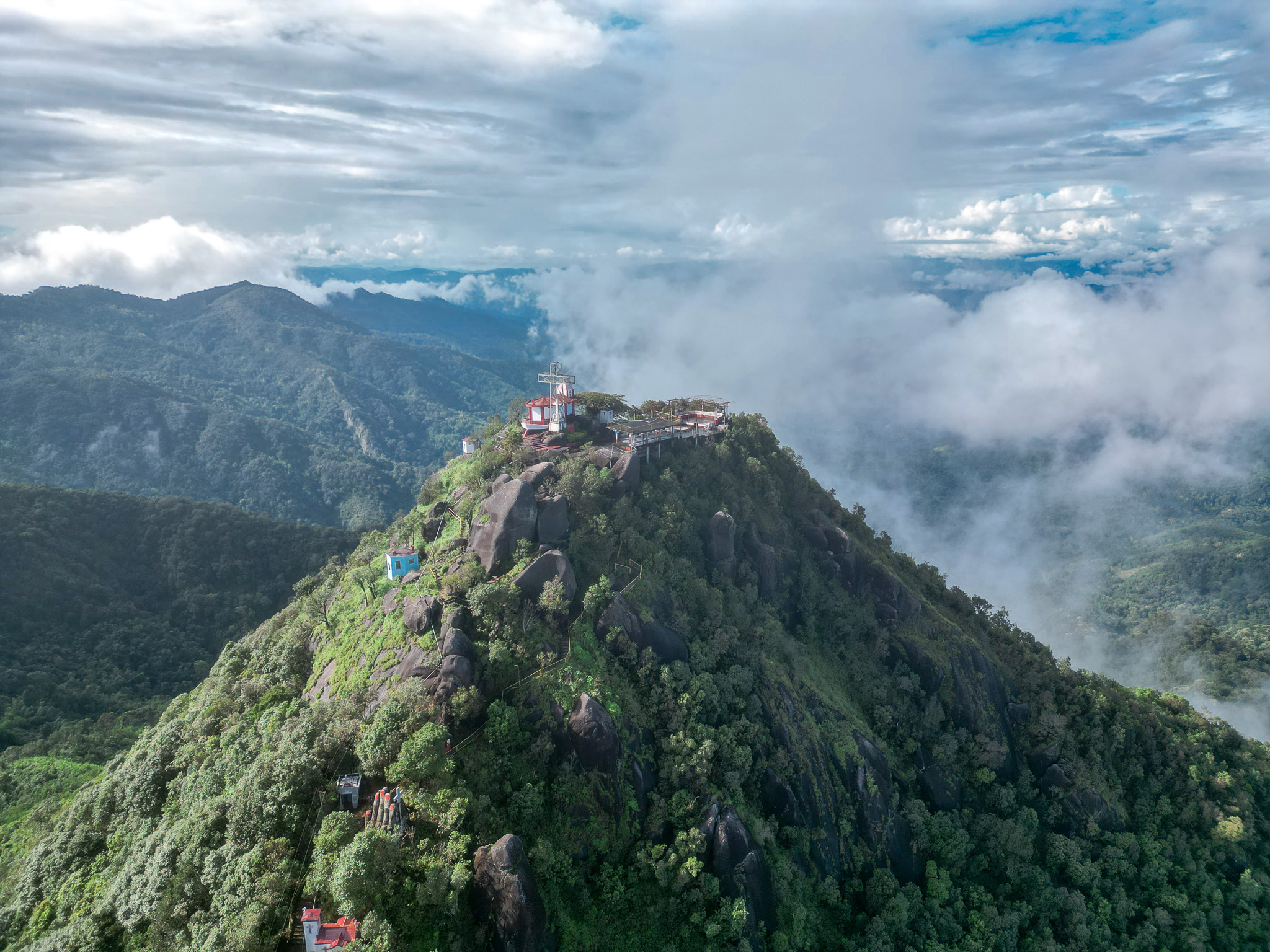
It is located within the Indo-Burma biodiversity hotspot, which ranks in the top 10 globally for irreplaceability and in the top five for threats. With a wide range of ecosystems (alpine in the far north, dry forest in the central region, and rainforest in the south), Burma contains the highest number of key biodiversity areas (132) in the Greater Mekong Region.
However, Burma’s biodiversity, ecosystems, and forests—on which an estimated 17 million people depend—are under threat. The country is experiencing rapid expansion of agri-business plantations, unregulated logging and extraction of other natural resources, infrastructure development (including dams and roads), and alarming weather conditions and natural disasters due to climate change.
Between 2010 and 2015, Burma had the third largest forest loss by area in the world, with a net loss of 546,000 . In 2015, forest cover (at around 30 million hectares) was estimated at 45% of the total land area. According to Global Forest Watch, in 2024 the country lost 290,000 hectares of natural forest.
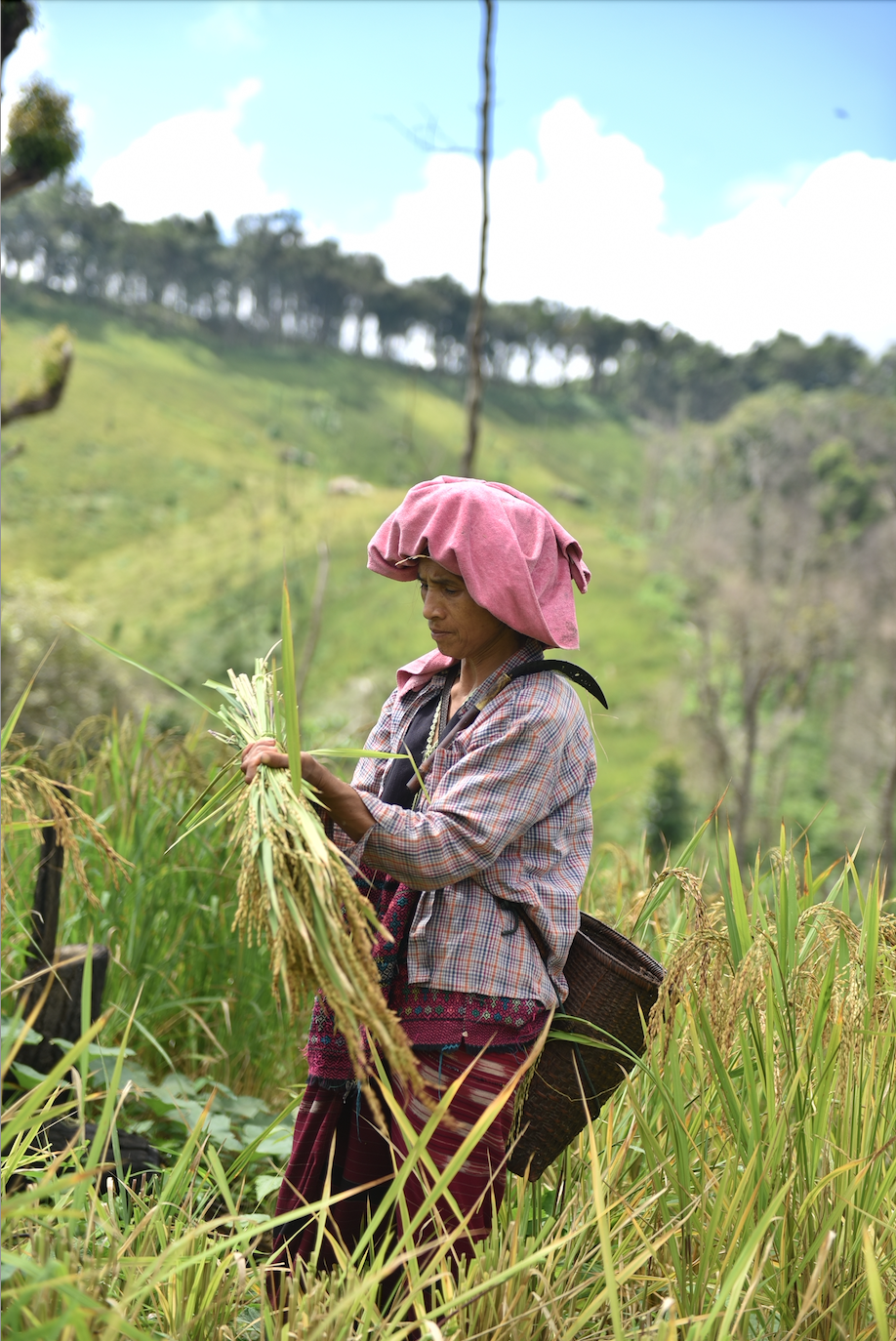
Burma is one of the most ethnically diverse countries in the region, with more than 135 nationally recognised ethnic subgroups. These are categorised into eight major groups: Bamar, Chin, Kachin, Karen, Kayah, Mon, Rakhine, and Shan. Today, the Bamar are the biggest group in the country, representing around 68% of the population.
Indigenous ethnic groups in Burma are among the country’s most important forest protectors. They primarily live in the country’s peripheries and maintain deep cultural and ancestral connections with their forests and lands. Although many groups consider themselves Indigenous, the government has neither ratified the United Nations Declaration on the Rights of Indigenous Peoples nor enacted legal policies to safeguard Indigenous Peoples and their ancestral territories. These communities’ collective lands—rarely formally recognised by the government—are often treated as property of the state, despite ongoing Indigenous stewardship.
Burma has a long and complex history of conflict, which has displaced millions of people and caused ongoing political, social, and economic instability. After years of war, Burma gained independence from the British in 1948. A military dictatorship took control in 1962, ruling the country for the next five decades. In 2011, the military government initiated a democratic transition; however, a coup in 2021 reversed this progress.
Throughout the decades, Indigenous Peoples have experienced persistent alienation and discrimination.
Tenure Facility is supporting the Karen Environmental and Social Action Network (KESAN), an Indigenous organisation, to implement a project in Karen territory that advances Indigenous tenure rights and strengthens forest protection.